newsreeljapan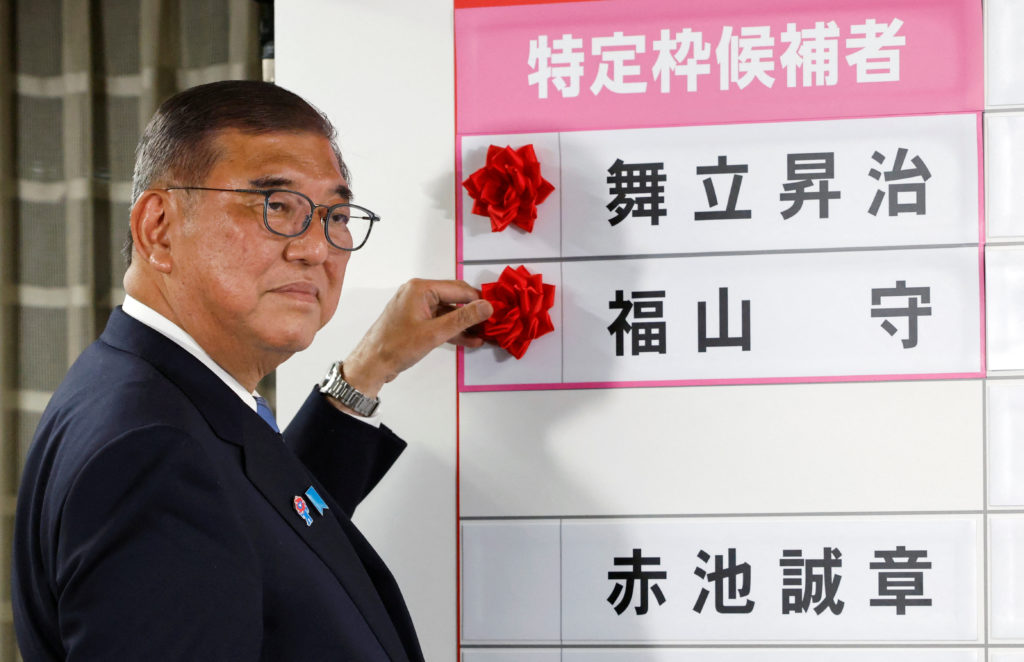
Prime Minister Shigeru Ishiba is facing escalating opposition from within his own party following the Liberal Democratic Party’s (LDP) significant defeat in the July 20 Upper House election. The ruling coalition, comprising the LDP and its junior partner Komeito, failed to secure a majority, leaving the government in a precarious position.
In the aftermath of the election, several prominent LDP figures have publicly criticized Ishiba’s leadership. Ken Saito, a senior party member, has called for the Prime Minister’s resignation, suggesting that the LDP should seek a new coalition partner under different leadership to form a stable government. Saito’s remarks reflect growing discontent within the party ranks over the electoral outcome.
Taro Kono, another influential LDP lawmaker, has advocated for a shift in economic policy, urging the Bank of Japan to raise interest rates and for the government to implement structural reforms. Kono’s stance contrasts with Ishiba’s approach, highlighting the ideological divisions within the party.
Despite the mounting pressure, Ishiba has expressed his intention to remain in office, citing the need to manage critical trade discussions with the United States, particularly a new tariff deal that reduces U.S. import duties on Japanese goods. However, his position remains tenuous as internal dissent continues to grow.
As the LDP prepares for a joint plenary meeting of its parliamentary members, the future of Ishiba’s leadership hangs in the balance. The outcome of this meeting could determine the direction of the party and the stability of the Japanese government in the coming months.