newsreeljapan
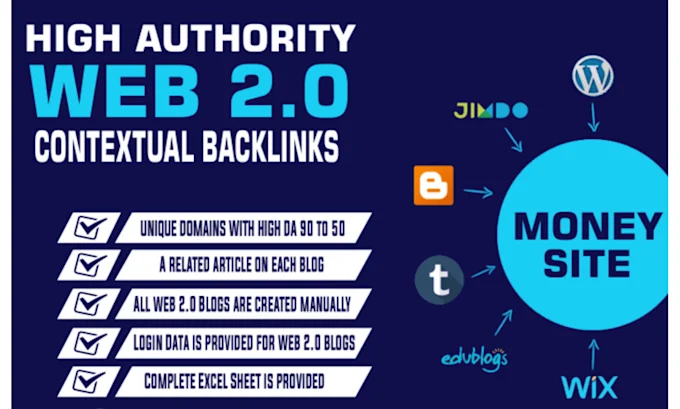
Search engine optimization keeps mutating, yet certain tactics refuse to fade away. Among them sits a method that, when handled with care, can still deliver meaningful authority signals and referral traffic. The real challenge isn’t whether it works—it’s whether you can execute it without triggering red flags. To learn how to create web 2.0 backlinks the right way go to https://rankersparadise.com/how-to-use-web-2-0-sites-for-backlinks/.
This guide breaks down a safer, modern approach to building authority through user-generated platforms, while avoiding outdated spam tactics that have buried countless websites.
What Are Web 2.0 Properties?
Web 2.0 platforms are interactive websites that allow users to create and publish their own content. Think blogs, micro-sites, and publishing hubs where anyone can contribute ideas, insights, or media.
Unlike static directories, these platforms encourage storytelling, discussion, and personalization. That makes them uniquely powerful when used strategically, because they allow you to control both context and anchor placement in a natural-looking environment.
Why This Strategy Still Matters
Despite algorithm updates tightening the rules, these properties can still pass value when they look authentic and provide genuine usefulness.
Here’s why they haven’t vanished:
- Contextual relevance: You can build content tightly aligned with your niche
- Indexable pages: Search engines crawl and rank these platforms frequently
- Brand footprint expansion: Your presence stretches across multiple domains
- Control over content: You decide structure, tone, and linking behavior
However, the impact depends entirely on execution quality. Thin, duplicated, or automated pages rarely survive long-term.
How to Build Web 2.0 Backlinks the Safe Way
The difference between success and penalty lies in subtle details. Instead of blasting dozens of low-quality pages, focus on crafting assets that look and behave like real blogs.
1. Choose Platforms With Authority
Start with trusted websites that already carry strong domain signals. Some solid options include:
- WordPress.com
- Blogger.com
- Medium.com
- Tumblr.com
- Wix.com
- Weebly.com
These platforms already have established credibility, which helps your content get indexed faster.
2. Create Real, Valuable Content
Avoid filler text. Write something that informs, solves a problem, or shares a perspective. Aim for:
- 600–1200 words per post
- Clear structure with headings
- Natural language and readable flow
If your content feels robotic, it won’t last.
3. Build a Natural Brand Identity
Each property should feel like its own mini-brand. Use:
- Unique site names
- Custom logos or images
- Distinct writing styles
This step helps prevent patterns that search engines can easily detect.
4. Link Out Carefully
Don’t force links into every paragraph. Instead:
- Place 1–2 links where they make sense
- Use varied anchor text
- Include authority outbound links to other sites
A balanced linking profile looks far more believable.
5. Keep the Property Alive
Dormant pages raise suspicion. Add occasional updates, new posts, or edits to show ongoing activity.
Even a single refresh every few weeks can make a difference.
Example of a Natural Backlink Placement
Imagine you run a fitness website. You create a blog on Medium discussing home workout routines. Within that article, you reference a detailed guide on your main site as a helpful resource.
Instead of forcing the link, you embed it like this:
“For a deeper breakdown of structured routines, this guide covers progression in detail.”
That’s a clean, contextual placement—useful to readers and acceptable to search engines.
Are They Worth It in 2026?
The honest answer: yes, but only when done properly.
Low-effort automation has destroyed the reputation of this tactic, yet carefully crafted properties still contribute to a diversified link profile. They shouldn’t be your main strategy, but they can support broader campaigns that include outreach, digital PR, and content marketing.
Think of them as supporting actors, not the lead role.
Common Mistakes to Avoid
Many people sabotage their own efforts by rushing the process. Watch out for:
- Copy-pasted articles across multiple platforms
- Over-optimized anchor text
- Publishing dozens of sites in a short time
- Ignoring design and branding
- Linking only to your own website
These patterns scream manipulation and often lead to devaluation.
Final Thoughts
Building authority today demands patience and precision. When used thoughtfully, web 2.0 backlinks can still contribute to visibility, indexing, and trust signals. The key lies in treating each property like a legitimate publication rather than a disposable link source.
Focus on authenticity, maintain consistency, and prioritize value over volume. That’s how you stay ahead while others get filtered out.