newsreeljapan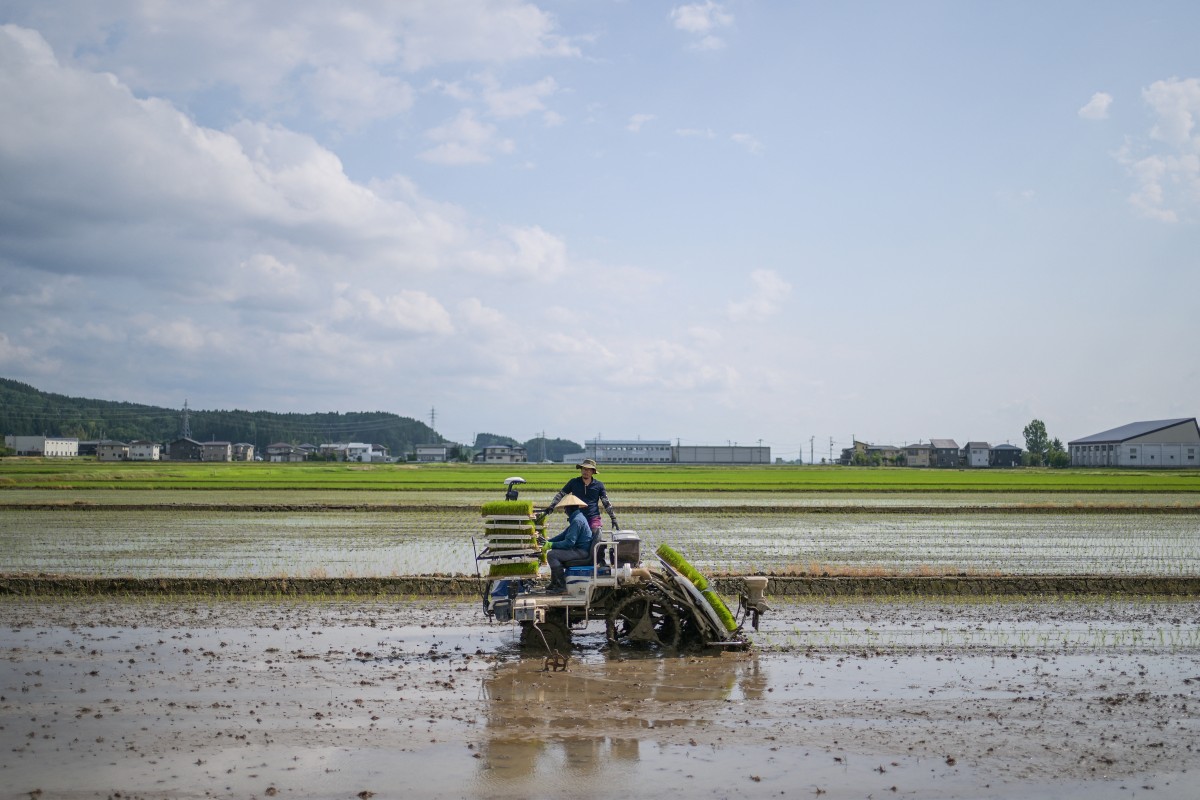
In a significant policy reversal, Prime Minister Shigeru Ishiba announced on August 5, 2025, that Japan will end its long-standing practice of limiting rice cultivation. This decision comes after the government acknowledged errors in its supply and demand forecasts, which contributed to a nationwide rice shortage and soaring prices over the past year.
Background
Since the late 1960s, Japan has maintained a policy of restricting rice production to prevent oversupply and stabilize prices. However, recent events have exposed the shortcomings of this approach. The government admitted that it had misjudged domestic rice consumption, leading to a significant shortfall in supply and a sharp increase in prices.
Policy Changes
To address the crisis, the Ishiba administration is implementing several measures:
- Utilization of Abandoned Farmland: The government plans to repurpose unused agricultural land for rice cultivation, aiming to boost production in the coming years.
- Support for Farmers: Initiatives will be introduced to assist farmers in expanding their operations and improving efficiency.
- Expansion of Rice Exports: Efforts will be made to increase rice exports, enhancing Japan’s presence in global markets.
Political Implications
The decision to increase rice production has political ramifications. Agriculture Minister Shinjiro Koizumi emphasized the urgency of swiftly implementing pest control and drought response measures. This policy shift is seen as a response to public dissatisfaction and aims to stabilize the rice market ahead of upcoming elections.
Challenges Ahead
Despite the government’s efforts, challenges remain. Extreme weather conditions, such as record-high temperatures and low rainfall, have threatened rice crops. Additionally, rising production costs and structural issues in rice distribution pose ongoing concerns.
Conclusion
Japan’s bold move to increase rice production marks a significant shift in agricultural policy. While the government aims to address the current crisis, the effectiveness of these measures will depend on successful implementation and adaptation to changing environmental and economic conditions.