newsreeljapan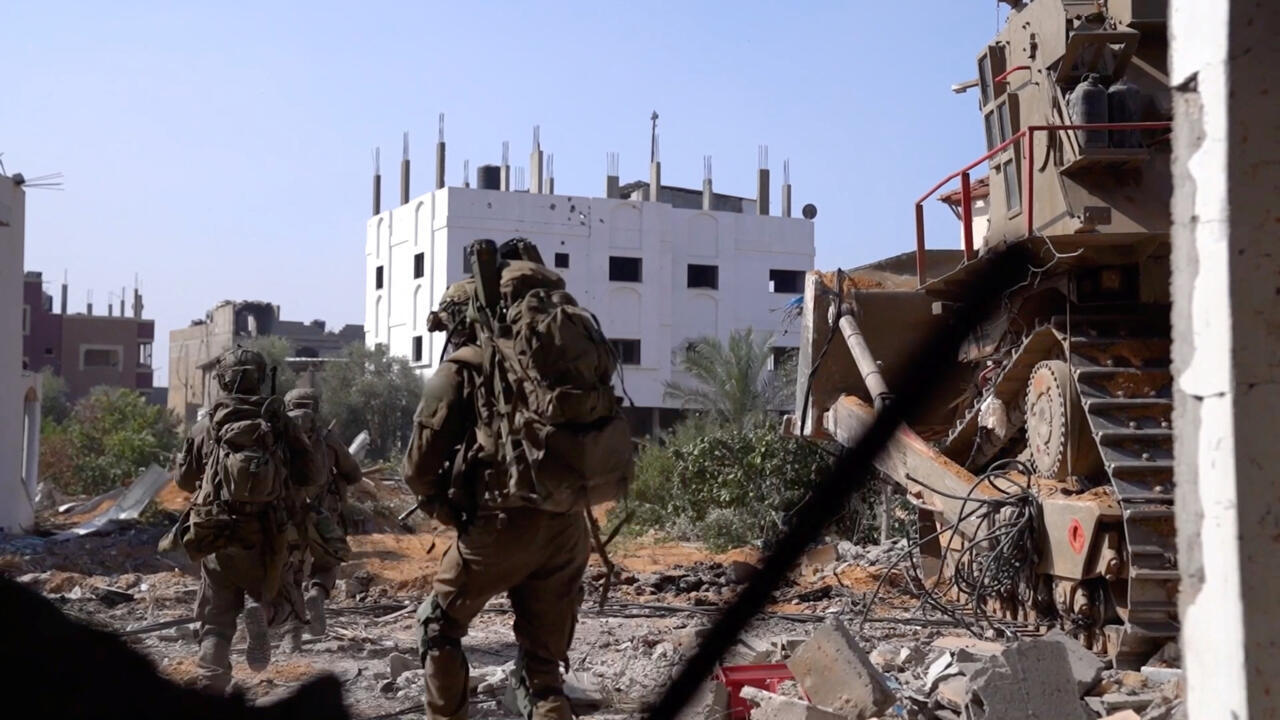
Israeli Prime Minister Benjamin Netanyahu is reportedly preparing to order a full military occupation of the Gaza Strip, a move that would mark a significant escalation in the ongoing conflict with Hamas. The decision comes after 22 months of intense fighting, during which over 60,000 Palestinians have lost their lives, and the region faces a severe humanitarian crisis, including widespread famine.
Strategic Objectives
The proposed occupation aims to achieve several key objectives:
- Eliminate Hamas Leadership: By taking full control of Gaza, Israel seeks to dismantle Hamas’s military and political infrastructure.
- Secure Hostages: Approximately 20 Israeli hostages are believed to be held in the remaining 25% of Gaza not yet under Israeli control.
- Prevent Future Threats: Reoccupying Gaza would enable Israel to establish a more secure perimeter and prevent future militant activities.
Military and Political Opposition
Despite the government’s objectives, the plan faces significant opposition:
- Military Concerns: IDF Chief of Staff Lt. Gen. Eyal Zamir has expressed reservations, warning that a full occupation could lead to prolonged military entanglement and increased casualties.
- Cabinet Divisions: Some ministers advocate for a more targeted approach, focusing on specific areas where Hamas is concentrated, rather than a blanket occupation.
- Public Sentiment: Families of hostages fear that a full occupation could jeopardize their loved ones’ safety, potentially turning them into collateral damage in military operations.
International Reactions
The international community has reacted with concern:
- United Nations: UN officials warn that a full occupation could have catastrophic humanitarian consequences, exacerbating the already dire situation in Gaza.
- United States: President Donald Trump has stated that the decision “depends largely on Israel,” emphasizing the need for humanitarian aid but refraining from endorsing the occupation plan.
- European Union: The EU has expressed alarm over the potential escalation, urging Israel to reconsider and seek alternative solutions.
Humanitarian Crisis
The humanitarian situation in Gaza continues to deteriorate:
- Famine: Reports indicate that nearly 200 individuals have died from starvation in the past 24 hours, with the total number of hunger-related deaths approaching 200 since the conflict’s escalation.
- Aid Shortages: Despite promises of humanitarian assistance, only a fraction of the necessary aid has reached Gaza, leaving the majority of the population without essential supplies.
Conclusion
As Israel’s security cabinet convenes to discuss the proposed occupation, the decision remains fraught with complexities. While the government aims to achieve strategic objectives, the potential for increased casualties, prolonged military engagement, and further humanitarian suffering presents significant challenges. The international community continues to call for restraint and a renewed focus on diplomatic efforts to resolve the conflict.