newsreeljapan
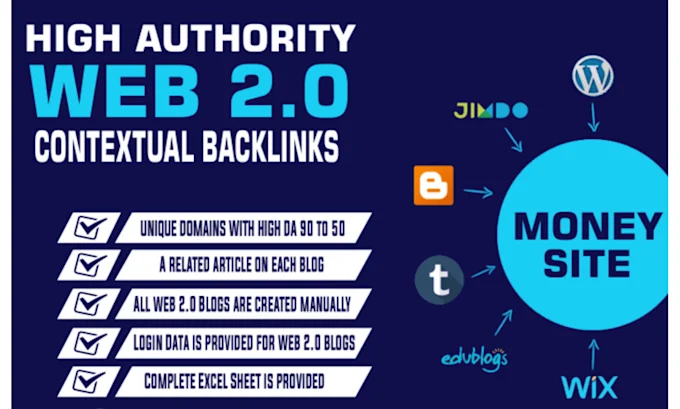
Search engines have grown sharper, faster, and far more selective about what they trust. Yet beneath the polished surface of modern SEO lies a quiet tactic that marketers still experiment with—building distributed content across trusted publishing platforms to shape authority signals using web 2.0 backlinks.
This isn’t about shortcuts anymore. It’s about controlled digital expansion, where each content piece behaves like a small independent asset feeding relevance back to a central website.
Why This Strategy Still Gets Discussed
Search algorithms no longer reward raw link quantity. Instead, they interpret context, semantic alignment, and behavioral signals around content ecosystems.
That means a well-written external page can still contribute value if it appears natural, useful, and independently meaningful. Think of it as planting informational “outposts” rather than dropping mechanical links.
The real shift is that search engines now evaluate intent behind content—not just its existence.
The Safe Way to Build These Content Assets
Safety in this space depends on authenticity and restraint.
Start by selecting a tightly focused topic that matches your main website’s niche. Then write content that feels complete on its own—something that informs, explains, or teaches without relying on outbound references.
Avoid cloning structures across platforms, web 2.0 backlinks have to be done the right way to have effects on keyword rankings. Variation matters. Change your tone, pacing, and formatting so each piece feels organically written rather than mass-produced.
Linking, when used, should be minimal and context-driven. One well-placed reference is far more effective than multiple aggressive anchors scattered throughout.
Trusted Platforms for Publishing Authority Content
These platforms are widely used because they carry strong indexing power and established credibility:
- WordPress.com – Flexible publishing system with strong search visibility
- Blogger – Fast indexing and integration within Google’s ecosystem
- Medium – Ideal for long-form, editorial-style writing
- Wix – Customizable site builder for structured content hubs
- Weebly – Simple drag-and-drop publishing environment
- Tumblr – Lightweight posting with multimedia support
- Substack – Newsletter-based publishing with growing authority signals
- Google Sites – Clean, minimal structure that gets crawled easily
- Jimdo – Quick deployment for small informational pages
- Strikingly – One-page site builder with clean indexing behavior
Each of these functions as a separate digital node capable of reinforcing broader topical relevance when used strategically.
Example of a Properly Structured Link Asset
Imagine publishing a guide titled:
“Modern Approaches to Building Sustainable Online Visibility”
Inside that article, you might include a naturally flowing sentence like:
“Many marketers expand their reach by distributing supporting content across multiple independent publishing environments rather than relying on a single domain footprint.”
Within that context, a single link can be placed to your main website—but only where it genuinely adds clarity for the reader.
Are These Still Effective Today?
This depends entirely on execution quality when creating web 2.0 backlinks.
Low-effort pages filled with generic writing and repetitive linking patterns are often ignored or neutralized by modern algorithms. Search systems have become highly effective at detecting manufactured content networks.
However, high-quality, original, and context-rich pages can still contribute indirect value by strengthening topical signals and brand presence across the web.
They are not a shortcut. They are a supporting layer—useful only when integrated into a broader, legitimate content strategy.
Final Perspective
Modern SEO is no longer about exploiting loopholes—it’s about constructing credibility across multiple digital touchpoints.
When content is crafted with care, variation, and genuine informational depth, it can still influence how search engines interpret authority. But the real advantage now comes from consistency and quality rather than sheer volume or repetitive tactics.